
Why Flexibility Is the Future of Commercial Real Estate
- Nov 11, 2025
- 2 min read
The way we build, lease, and use commercial spaces is changing fast. Once upon a time, success in retail real estate meant location, permanence, and size. Today, it’s all about adaptability, experience, and speed.
Consumer behavior has evolved; so have the businesses serving them. The traditional model of long term leases and static retail footprints is being replaced by a new kind of space one that bends with demand, scales with opportunity, and breathes with community energy.
And in the UAE, Spot is at the forefront of that shift.
The Shift From Square Footage to Smart Footprint

Across global cities, retail vacancy rates have risen while operational costs have followed the opposite curve. Yet, customer expectations have never been higher they want convenience, design, and digital integration all at once.
The result? A new era of smart retail footprints. Spaces that are smaller, more experiential, and infinitely more flexible.
Spot’s model embodies this: modular units, outdoor layouts, and plug and play infrastructure that turn dormant plots into vibrant, revenue-generating destinations without the burden of permanent construction.
It’s real estate that moves as fast as the market it serves.
The Rise of Flexible Real Estate
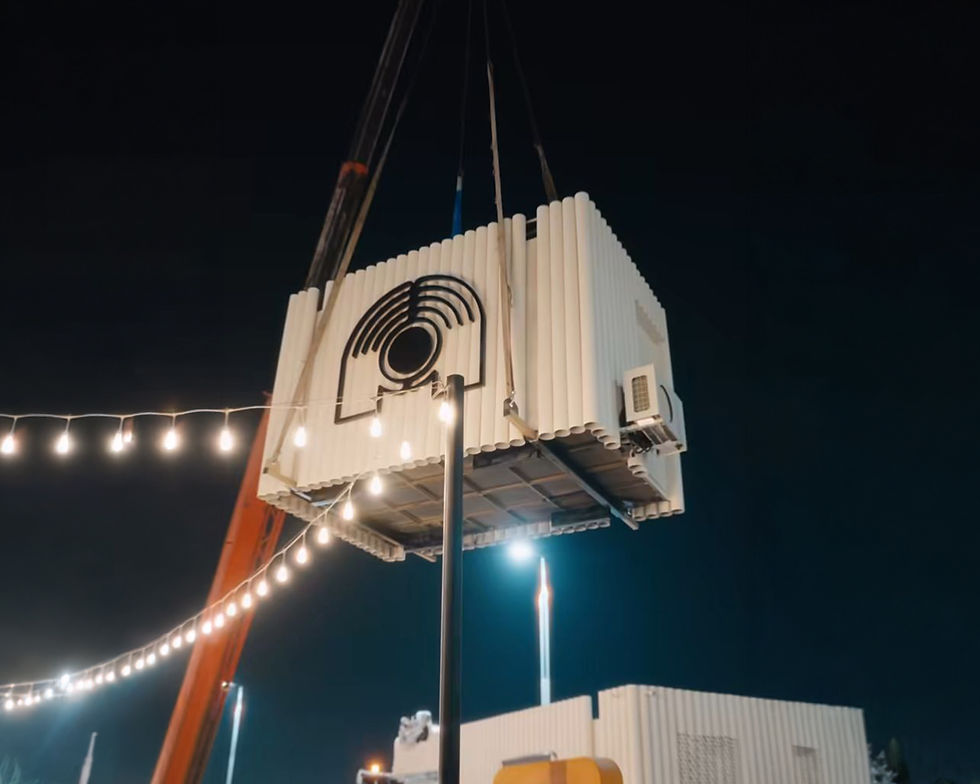
Flexibility isn’t just a design feature, it’s now an investment strategy. Developers and cities are realizing that agility equals longevity.
Container based and modular environments allow developers to test, pivot, and repurpose assets with minimal downtime. For tenants, it means launching without years of commitment testing concepts, validating demand, and expanding only when ready.
Spot’s approach offers this dual advantage:
For developers: rapid site activation, community engagement, and long-term ROI through recurring tenant turnover.
For brands: accessibility, visibility, and low-risk scalability across high-potential locations.
Building Communities, Not Just Units

Retail is no longer about transactions; it’s about connection. People want to gather, explore, and belong and the spaces that enable that win.
Each Spot development is designed as a community hub, where local vendors, established brands, and experiential concepts coexist. The open air design encourages interaction and inclusivity, transforming what could be a temporary setup into a permanent part of neighborhood identity.
The success of Spot Shamkha and Spot Khalifa City proves this: both locations activate their surrounding communities while generating consistent footfall for vendors and tangible value for developers.
Sustainability and Speed as Core Value
Sustainability in modern development isn’t just about energy efficiency it’s about resource efficiency. Spot’s modular infrastructure minimizes waste, reduces construction timelines, and supports the UAE’s long term sustainability goals by maximizing existing land potential.
Projects can go from concept to community in months not years. That agility is transforming how developers view land use and how tenants view opportunity.
The Future: Real Estate That Moves
The next wave of commercial real estate in the UAE won’t be defined by size or permanence it will be defined by adaptability.
Spot’s model demonstrates that flexibility isn’t the opposite of stability it’s how stability evolves. By creating scalable, design-driven spaces that blend retail, F&B, and community, Spot is rewriting what it means to “own a location.”
Because the most successful developments aren’t just built, they evolve with the people who use them.


Comments